
Industrial Design Courses After 12th: Colleges, Skills & Careers
- 8 min read
- Portfolio Series
- We-Learn Art Classes
- March
What is this design major?
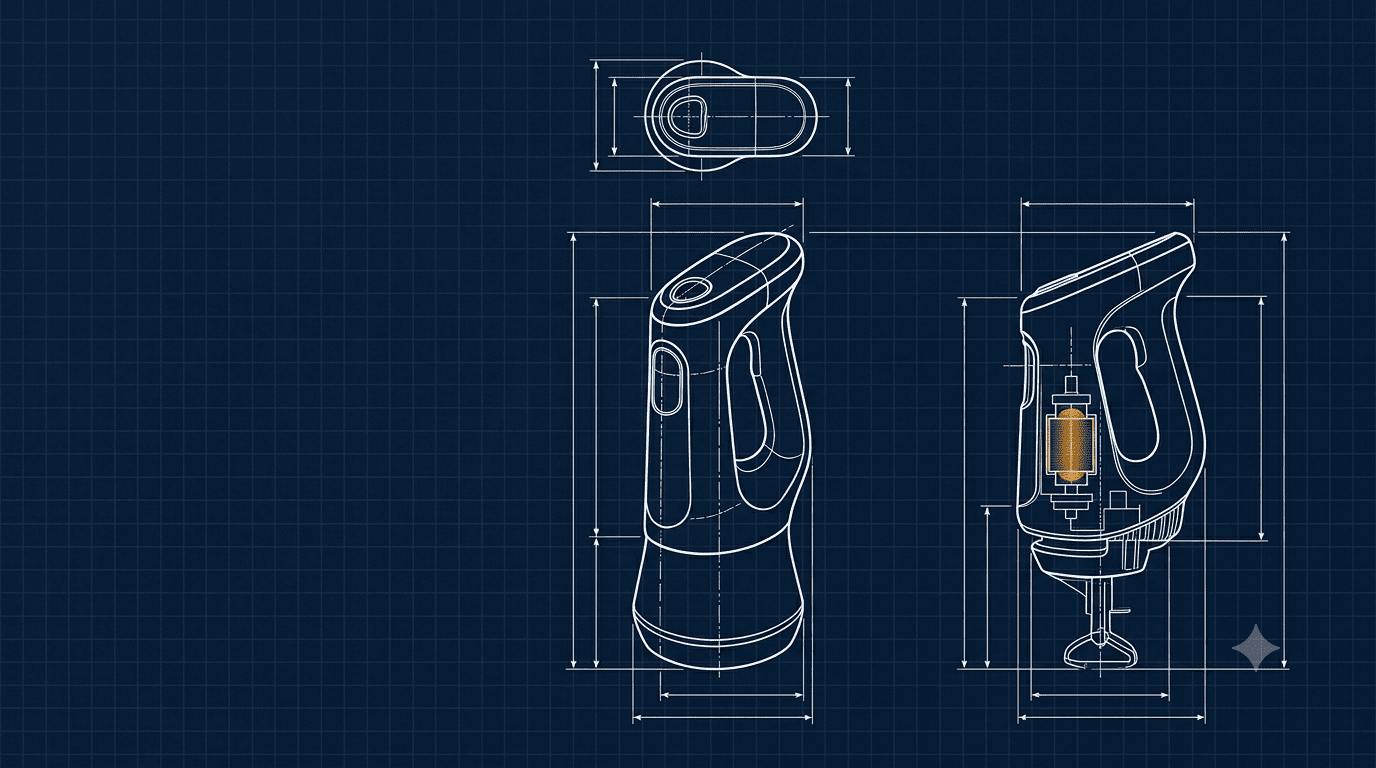
Industrial Design (or Product Design) is the art of creating physical objects we use every day, from smartphones and medical devices to furniture and cars. It’s about making products that are functional, ergonomic, and beautiful. You aren’t just styling an object; you are solving problems. You’ll study how people use things, how materials work, and how to manufacture items at scale. It’s the perfect field for someone who loves to take things apart to see how they work.
Which are the top colleges offering this major (in India and abroad)?
In India, the National Institute of Design (NID) and IDC at IIT Bombay are the gold standards. Other top options include IIT Delhi, Srishti Manipal, and MIT-ID Pune.
Abroad, the Rhode Island School of Design (RISD) and ArtCenter College of Design (USA) are world leaders. In Europe, Delft University (Netherlands) and the Royal College of Art (UK) are prestigious. These schools look for “3D thinkers”, students who can visualize objects in space and understand how materials like wood, plastic, or metal behave.
What skills do students develop while studying this major?
You’ll become a blend of an artist and an engineer. Key skills include:
- 3D Sketching: Visualizing products from every angle.
- Model Making: Building physical prototypes using foam, clay, or 3D printing.
- User Research: Observing how people interact with objects to improve comfort.
- Material Science: Understanding which materials are durable or sustainable. You’ll also learn empathy, ensuring your designs are accessible to everyone, including the elderly or people with disabilities.
What academic and technical knowledge does this major build?
Academically, you’ll study Ergonomics (human factors) to ensure products fit the human body perfectly. You’ll also learn about “Design for Manufacturing”, how to make sure your ideas can actually be built in a factory.
Technically, you’ll master 3D CAD software like Rhino, SolidWorks, or Fusion 360. You’ll learn to use workshop tools like lathes and laser cutters. The major builds a deep understanding of physics, mechanics, and sustainable production cycles to reduce environmental impact.
How should a student choose the ideal subject combination and build a compelling profile and portfolio for these majors?
To succeed in Industrial Design, blend technical logic with 3D creativity.
- Subjects: Any stream works, but Physics and Math are vital for understanding mechanics and integrity.
- Fine Arts aids sketching, while Sociology helps you understand user needs.
- Portfolio: Show problem-solving. Include object redesigns, photos of things you’ve built or “hacked,” and “exploded view” sketches. Use cardboard or clay models to prove you can think in 3D.
- Profile: Stay curious. In India, focus on UCEED and NID prep, where spatial logic and math are key.
What career paths and job roles are available after studying this major?
Industrial designers work in almost every manufacturing sector:
- Consumer Electronics: Designing phones, laptops, or wearables.
- Automotive Design: Designing cars, bikes, or public transport.
- Furniture Designer: Creating ergonomic and aesthetic home or office gear.
- Medical Product Designer: Developing life-saving equipment like inhalers or surgical tools. You can work for global giants like Apple or IKEA, join a design consultancy, or even work in toy design or sports equipment.
How do I know if this major is right for me, including traits, mindset and natural strengths?
Do you constantly fix things around the house? Do you notice the “feel” of a pen or the grip of a kitchen tool? If you enjoy tangible, hands-on work and have a strong sense of spatial logic, this is for you. Industrial design suits those who are practical but creative. People who want to see their ideas become physical realities that people can touch, hold, and use in their daily lives.
Bonus – Some interesting or fun facts about the major.
- The Juice Squeezer: One of the most famous industrial designs is Philippe Starck’s “Juicy Salif”, it looks like a space alien but is a lemon squeezer!
- Iteration is King: The Dyson vacuum cleaner took 5,127 prototypes before it finally worked perfectly.
- Color Psychology: Even the color of a drill or a medical device is chosen by industrial designers to signal “power” or “safety.”
- Everyday Heroes: Almost every physical object you touched today was shaped by an industrial designer.

We-Learn
Mumbai's most trusted art classes at We-Learn, Andheri West.
Key Takeaways
- Core Identity: Industrial design is about creating physical objects — phones, furniture, cars, medical devices — that are functional, ergonomic and beautiful. You’re solving problems, not just styling.
- Top Schools: In India, NID and IDC at IIT Bombay lead, followed by IIT Delhi, Srishti Manipal and MIT-ID Pune. Abroad, RISD and ArtCenter (US), TU Delft (Netherlands) and the Royal College of Art (UK). All look for “3D thinkers” who can visualise objects in space.
- Subjects & Entry: Any stream works, but physics and maths matter for mechanics and structural logic. In India, UCEED and NID prep is key — both test spatial reasoning.
- What You’ll Learn: 3D sketching, model making in foam and clay, 3D printing, and CAD software like Rhino, SolidWorks and Fusion 360 — plus ergonomics, materials science and design for manufacturing.