
How to Become an Interior Designer in India: A Student’s Guide
- 8 min read
- Portfolio Series
- We-Learn Art Classes
- May
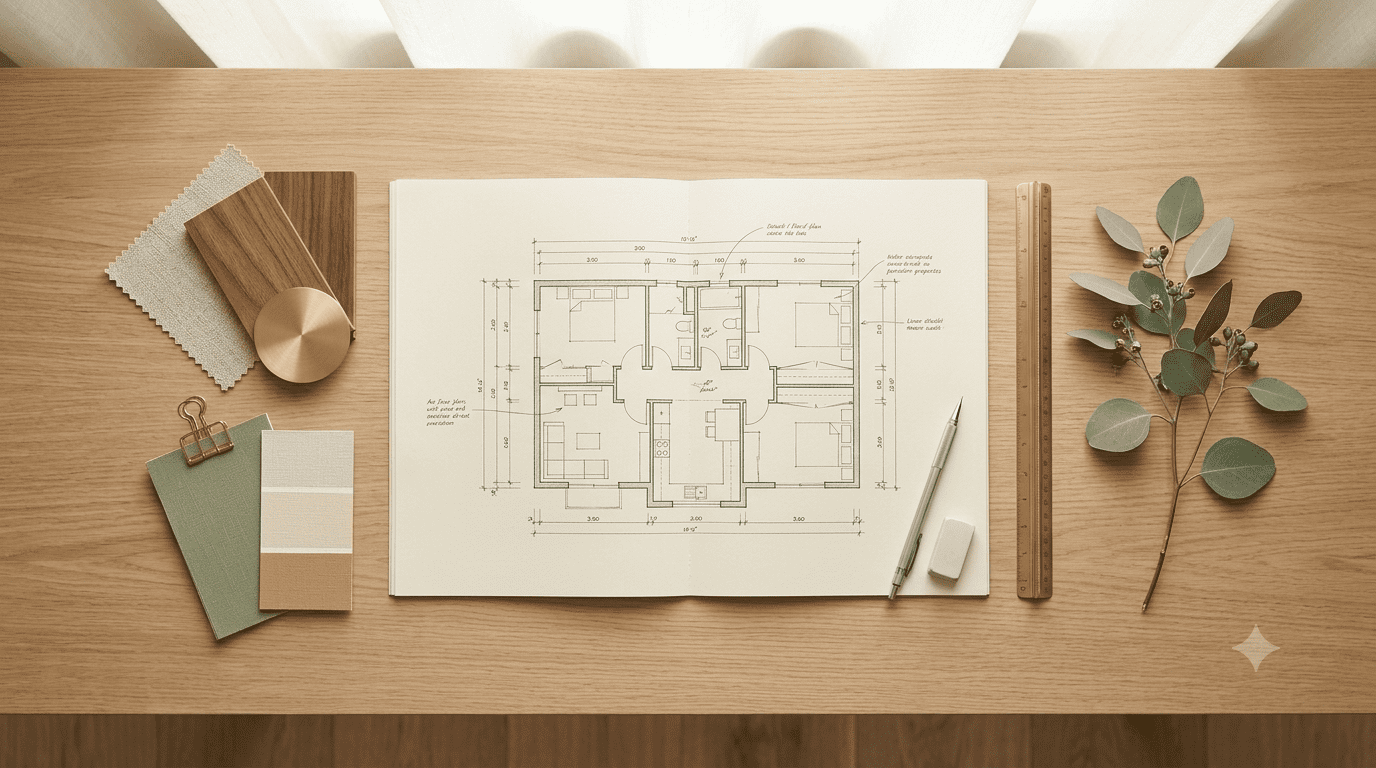
What is this design major?
Interior Design is the art of shaping the experiences we have inside four walls. A common mistake is thinking it’s just “decorating” picking out cushions or paint colors. In reality, it’s about how people feel, move, and work within a space. You’re essentially a problem-solver who uses creativity to turn an empty shell into a functional environment. Whether it’s a cozy café or a high-tech hospital, an interior designer balances aesthetics with safety, psychology, and logic to support the way people live.
Which are the top colleges offering this major?
In India, the heavy hitters are the National Institute of Design (NID), CEPT University, Sir J.J. College of Architecture, Srishti Manipal, and Pearl Academy. These schools are known for being hands-on and having great industry ties.
Abroad, you’re looking at world-class hubs like Rhode Island School of Design (RISD), Parsons, Pratt Institute, University of the Arts London (UAL), and SCAD. These programs are competitive and look for students who have a unique creative voice and strong spatial awareness.
What skills do students develop?
You basically learn to “think in 3D.” On the technical side, you’ll master space planning, color theory, lighting design, and material selection. You learn how to look at a flat blueprint and visualize a physical room.
Beyond that, you develop crucial soft skills. You have to be a good storyteller to pitch your ideas to clients and a great collaborator because you’ll be working alongside architects and contractors. You also learn to handle “crits” (critiques), which helps you toughen up and refine your designs based on feedback.
What academic and technical knowledge does this major build?
It’s a mix of science and art. Academically, you study environmental psychology (how spaces affect mood), ergonomics (designing for the human body), and sustainability. You need to know which materials are eco-friendly and how to use natural light to save energy.
Technically, you’ll move from hand-sketching to professional software. You’ll learn AutoCAD for technical layouts, SketchUp or Rhino for 3D modeling, and Revit. You also gain a solid understanding of building codes, acoustics, and fire safety, the “invisible” things that make a building safe and legal.
How should a student build their profile and portfolio for admissions?
Here’s a secret: admissions teams care more about how you think than how well you can draw. They want to see your process. Don’t just show finished, pretty pictures. Include your messy sketches, your mood boards, and your “failed” ideas.
Try a small project at home, redesign your bedroom or sketch a concept for a “study pod.” Document your reasoning: Why did you put the desk there? Why that specific color? Showing that you’re observant, curious, and experimental is what will get you noticed.
What career paths and job roles are available?
The field is much broader than just “home design.” You could work in:
- Residential or Commercial Design (Homes and Offices)
- Hospitality Design (Hotels and Restaurants)
- Exhibition/Set Design (Galleries or movie sets)
- Retail Design (Helping brands sell products through layout)
- Sustainable Design Consultant
- Furniture or Lighting Designer
You can work for a big architecture firm, join a boutique design studio, or eventually start your own freelance practice.
How do I know if this major is right for me?
If you’re the person who walks into a room and immediately wants to move the furniture to make it “flow” better, you’re already halfway there. This major suits people who are detail-oriented, empathetic, and creative but practical. You don’t need to be a master artist yet, but you do need to be someone who notices the world around them and wonders how it could be better.
What is the subject combination for this major?
Interior Design is very flexible. You can come from Science, Commerce, or Arts. While Fine Arts is an obvious help, Maths and Physics are great for understanding measurements and lighting. Even Psychology is a plus because it helps you understand how people behave. The most important “subject” is your own willingness to learn the design tools and your creative drive.
Bonus – Fun facts about Interior Design!
- Ceiling Height: High ceilings actually spark “big picture” creative thinking, while lower ceilings help people focus on detailed, repetitive tasks.
- The Power of Red: Red can increase your heart rate and appetite—that’s why so many fast-food places use it in their logos and seating.
- Nature Heals: Adding plants and natural textures (Biophilic design) can reduce stress levels and boost productivity by 15%.
- Scent Marketing: Luxury hotels often use a specific “signature scent” so that you’ll subconsciously remember the brand the next time you smell it.

We-Learn
Mumbai's most trusted art classes at We-Learn, Andheri West.
Key Takeaways
- Core Identity: Interior design isn’t decorating — it’s shaping how people feel, move and work inside a space, balancing aesthetics with psychology, safety and function.
- Top Schools: In India, NID, CEPT, Sir J.J., Srishti Manipal and Pearl Academy. Abroad, RISD, Parsons, Pratt, UAL and SCAD. All look for spatial awareness and a distinct creative voice.
- Subjects & Entry: Open to Science, Commerce or Arts. Maths and physics help with measurements and lighting; psychology helps with understanding behaviour. Creative drive matters more than stream.
- What You’ll Learn: Space planning, colour theory, lighting and materials, plus AutoCAD, SketchUp, Rhino and Revit — alongside ergonomics, environmental psychology, building codes and acoustics.